Open 24/7, Monday to Sunday | Serving Florence since 2015(854) 248-0763
Wilson Dumpster RentalDumpster Rental Florence, SC
Dumpster Rental Florence, SC

Local dumpster service

Dumpster Rental Florence, SC

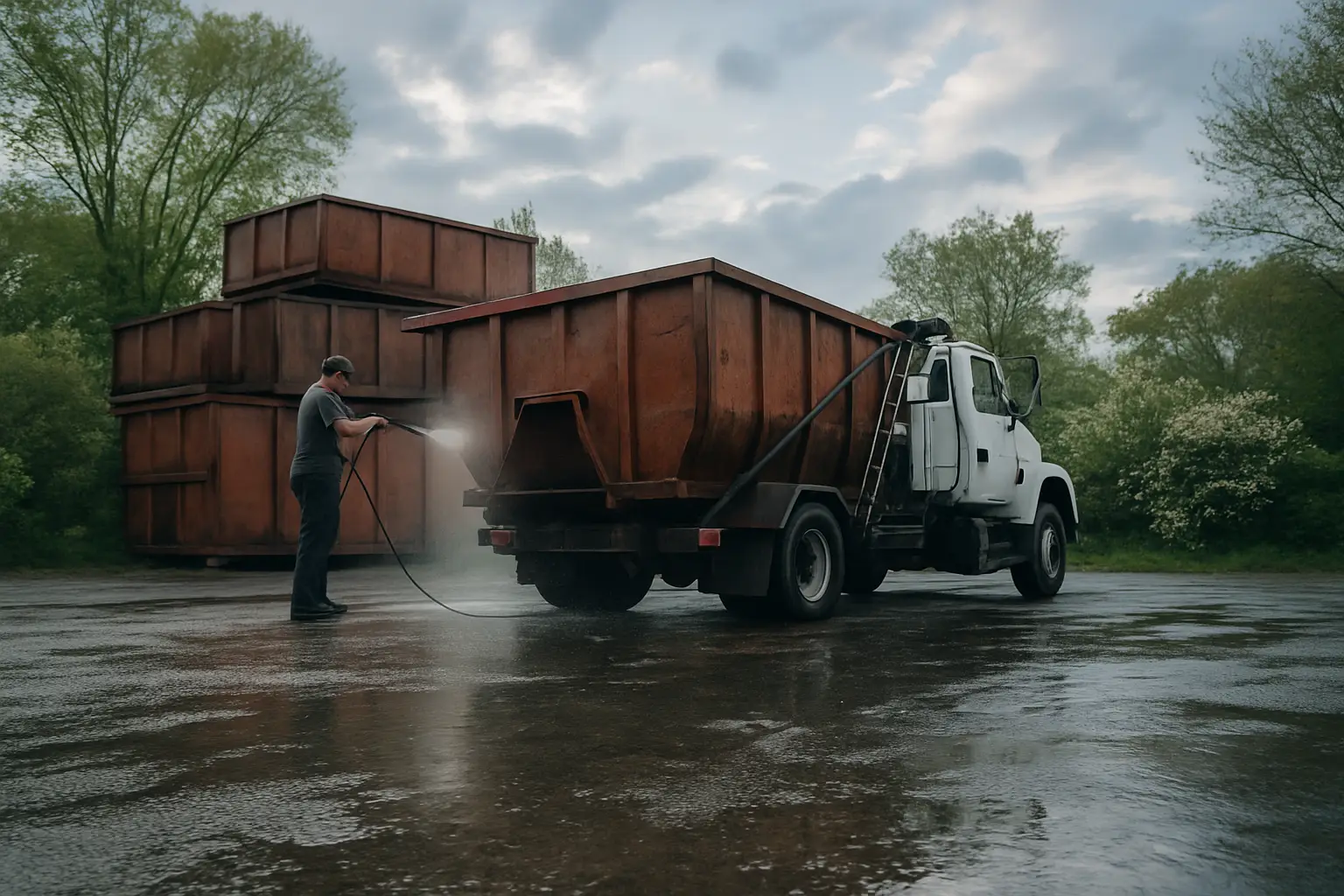
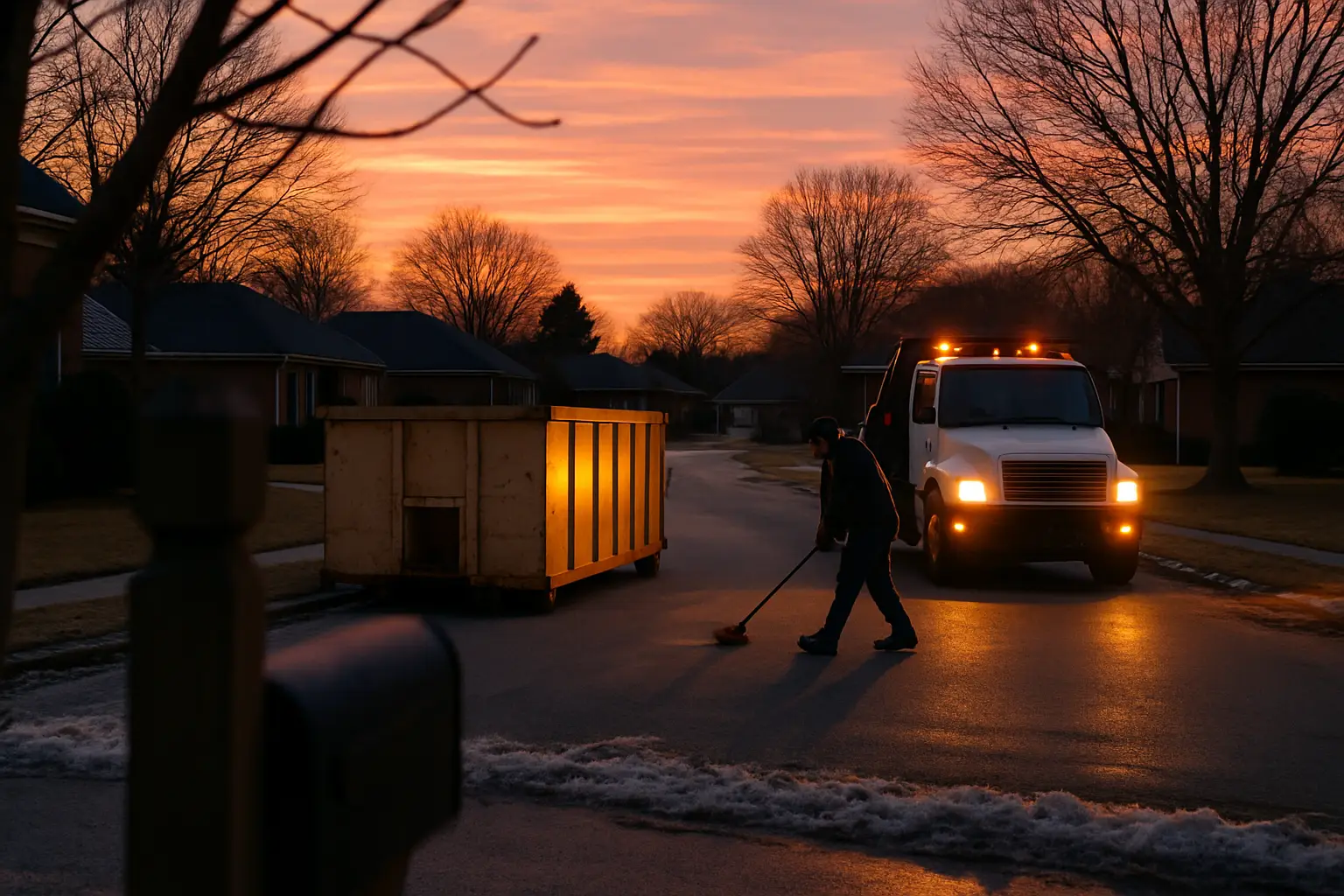
Wilson Dumpster Rental confirms driveway access and pickup details before delivery, with placement notes prepared for the crew.

Dumpster Rental Florence, SC gives Florence homeowners, contractors, landlords, and businesses a practical way to contain renovation debris, roofing waste, yard material, and household cleanout loads. Wilson Dumpster Rental helps choose the container size, checks the planned placement, and coordinates pickup around the job instead of guessing from a photo alone.

  • Licensed, bonded and insured
  • Serving since 2015
  • 3368+ containers delivered
  • Open 24/7, Monday to Sunday
  • Serving Florence County

Common project types

Florence dumpsters match the material and workload

Different jobs create different loading patterns. These options help identify the container conversation before the truck arrives.

  • Home Cleanout Dumpsters

    Use a home cleanout dumpster for furniture, cabinets, bagged household waste, and accumulated belongings. Florence homes with tight driveways benefit from confirming where doors, parked cars, and utility access leave room for placement. Keep prohibited materials separate and avoid loading above the container rim.

    Household cleanouts
  • Moving and Downsizing Dumpsters

    Moving or downsizing often produces a mixed load over several days, including shelving, worn furniture, boxes, and fixtures. A container near the loading route reduces repeated trips, but the property still needs clear truck access. Share the move schedule so pickup does not interrupt the final cleanup.

    Move-out debris
  • Yard Debris Dumpsters

    Yard work in Florence can produce limbs, brush, stumps, leaves, and storm cleanup material. A yard debris dumpster works best when branches are cut to manageable lengths and kept free of soil, concrete, and household waste. Wet material becomes heavier, so describe the load before choosing size.

    Brush and branches
  • Renovation Debris Dumpsters

    Bathroom, kitchen, flooring, and interior renovation work usually creates a changing mix of drywall, cabinets, tile, wood, and packaging. Separate unusually heavy material from light debris when possible. The crew can discuss the expected volume and whether a smaller container fits the sequence of demolition and installation.

    Remodeling waste
  • Roofing Dumpster Rental

    Roof replacement produces dense layers of shingles, underlayment, flashing, and discarded roofing materials. The container needs a location close enough for safe loading without blocking the roofing crew or damaging soft ground. Tell us whether the roof has one layer or several before selecting capacity.

    Roofing material
  • Concrete and Heavy Debris Dumpsters

    Concrete, brick, block, asphalt, dirt, and tile can reach weight limits before a container looks full. This work calls for a deliberate size and loading plan rather than the largest box available. Describe the material and approximate pile location so placement and pickup can be discussed accurately.

    Dense construction debris
  • Same-Day Dumpster Delivery

    Same-day delivery may be workable when a container and route are available, but it cannot be promised before the address, placement, material, and schedule are reviewed. Florence streets and driveways vary widely. Have the job location ready and explain the deadline so the dispatcher can state what is realistic.

    Urgent project support
  • Commercial Construction Dumpsters

    Commercial sites often need containers positioned around equipment, deliveries, changing work zones, and limited staging areas. The correct plan considers access during the full project, not just the first drop. Discuss material separation, pickup coordination, and whether recurring service makes more sense than a single delivery.

    Jobsite containers
  • Recurring Contractor Dumpster Service

    Contractors with repeated builds, roofing work, or cleanouts need predictable exchanges without losing track of where containers sit. Share the project sequence, site contacts, loading material, and access changes. A recurring plan can be adjusted when the work moves from demolition to finish debris.

    Contractor scheduling

Local operating experience

Florence jobs need practical container planning

Wilson Dumpster Rental provides dumpster service for residential cleanouts, remodeling work, roofing, landscaping, and commercial construction around Florence County. The useful part is not simply leaving a box at the curb. Someone needs to determine whether the truck can reach the driveway, whether branches or parked vehicles block the approach, and whether the material belongs in a light-duty or heavy-debris container. The business has operated since 2015 and has delivered 3368+ containers. That experience helps keep the recommendation tied to the actual job, including the access conditions common around established Florence neighborhoods and newer subdivisions.

A container that fits the volume can still be the wrong choice if the driveway is narrow, the surface is soft, or the load is unusually dense. Wilson Dumpster Rental checks the intended placement and discusses pickup scheduling before delivery, so the driver has useful information rather than a vague address. Customers can describe the project, the material, the property surface, and the space available. If a smaller container will genuinely handle the work, that is the sensible recommendation. If concrete, soil, roofing material, or demolition debris changes the weight, the plan should change with it.
Why local planning matters

A better fit prevents avoidable jobsite trouble

  1. Placement is checked before the truck rolls

    A driveway is not automatically a suitable drop point. Florence properties can have narrow approaches, low limbs, sloped pavement, drainage edges, or vehicles that make the intended spot unusable. Wilson Dumpster Rental reviews those conditions before delivery and records the practical placement details for the crew. That is more useful than promising a container without knowing how the truck will reach it.

  2. The recommendation follows the debris

    A container filled with cardboard and light household material behaves differently from one loaded with tile, brick, concrete, or roofing. Choosing by volume alone can create a weight problem. The dispatcher asks what is being removed and how the work will be loaded, then can explain when a cheaper, smaller option is adequate or when dense material requires a different plan.

  3. Pickup is part of the original plan

    A container left too long can occupy a driveway, interfere with deliveries, or become a nuisance on an active worksite. Pickup also depends on access remaining clear. Discussing the expected schedule before delivery gives the project a workable sequence. If the job changes, explain the change rather than assuming the original pickup arrangement still fits.

How scheduling works

The Florence delivery process starts with access

  1. Describe the work

    Start with the material, project type, approximate volume, and expected loading period. Mention concrete, soil, roofing, appliances, or demolition debris because weight can matter more than visible volume. A clear description gives the dispatcher something useful to work from.

  2. Review the property

    Explain the driveway, street frontage, gate width, overhead branches, slopes, soft ground, and nearby vehicles. A placement check helps identify where the container can sit without blocking access or creating a difficult approach for the delivery truck.

  3. Choose the working size

    The recommendation should follow the debris, not a sales preference. Light household material can use a different container from concrete or roofing waste. If the project has several phases, discuss whether one larger delivery or planned exchanges better fits the site.

  4. Confirm delivery details

    Before delivery, confirm the address, placement area, access instructions, material, and scheduling expectations. Keep the approach clear of cars, trailers, loose tools, and low branches. If the container must sit on a public street, permission may be needed first.

  5. Load and arrange pickup

    Load evenly, keep material below the rim, and never place prohibited items inside. When the job is complete, pickup timing can be arranged around the site. Tell the dispatcher about access changes, remaining debris, or a need for another container.

Additional property services

Choose another service when the load calls for it

Placement and access

Where a dumpster can safely sit in Florence

On a Florence property, the safest placement is usually a firm, level area with enough straight approach for the delivery truck and enough clearance for the container to be set down. A driveway may work, but check its width, slope, pavement condition, drainage edge, and overhead branches first. Older homes near central Florence can have tighter lots and mature trees, while newer subdivisions may offer broader drives but still have parked vehicles, mail access, or neighborhood restrictions to consider. A container on a public street usually needs town permission first; explain the location so the applicable requirement can be discussed before delivery. Keep the drop zone free of cars, trailers, toys, tools, and low limbs.

The truck also needs more than an empty rectangle on the ground. The driver must approach from the street, align with the placement area, and have room to set the container down without crossing unstable ground or striking a fence. Tell the dispatcher about gates, retaining edges, utility lines, culverts, tight turns, and any recent rain that has softened soil. Florence weather can leave unpaved shoulders and lawns less dependable after heavy storms. If the only available spot is a narrow lane or shared driveway, describe the route and who controls access. A clear placement plan protects pavement, landscaping, parked vehicles, and the delivery equipment.

Confirm the exact drop zone before delivery.

Remove vehicles, branches, and loose equipment from the approach.

Public-street placement may require permission before scheduling.

Material and capacity

Florence homes change the size and weight decision

Florence has older homes, established neighborhoods, apartments, newer subdivisions, and rural properties with very different cleanup patterns. A bathroom refresh may produce drywall, tile, a vanity, and flooring, while a whole-home renovation can add cabinets, framing, insulation, and roofing material. Moving or downsizing creates bulky household goods that occupy space without weighing like masonry. Yard work adds limbs and brush, especially after summer storms. These differences matter because a container that looks large enough may fill quickly with bulky items, while dense tile, brick, concrete, soil, or shingles may create a weight concern before the container is full.

The most useful size decision starts with the material list and the loading method. Break down furniture when practical, keep loose debris distributed, and do not mix heavy soil or concrete casually with a light household load. Roof tear-offs should be described by the number of layers and the disposal material. Flooring projects need a realistic estimate of removed square footage, while older plaster or masonry can weigh more than modern drywall. Tell Wilson Dumpster Rental what room or structure is being removed, where the pile sits, and whether the work will be loaded by hand or equipment. That information supports a safer recommendation.

Bulky furniture consumes space even when it is relatively light.

Tile, brick, soil, and concrete create weight concerns early.

Describe demolition layers before selecting the container.

Worksite standards

What every Florence delivery should account for

  • Describe dense materials before choosing a container size.
  • Keep the planned placement clear of vehicles and loose equipment.
  • Check overhead branches and wires along the truck approach.
  • Avoid loading material above the container rim.
  • Separate prohibited items before the delivery date.
  • Mention soft ground, slopes, gates, and narrow driveways early.
  • Confirm public-street placement requirements before using curb space.
  • Arrange pickup after the site remains accessible to the truck.

Dumpster questions

Answers before you schedule a Florence delivery

What size dumpster do I need for a home cleanout?

For a home cleanout, choose based on the amount and type of furniture, boxes, fixtures, and household material, not the number of rooms alone. A light decluttering job may fit a smaller container, while a full cleanout needs more capacity. Florence homes with narrow drives may also make placement the deciding factor. List the largest items, describe the pile, and keep the access route clear.

Can a dumpster go in my Florence driveway?

A dumpster can often sit in a Florence driveway when the surface is firm, reasonably level, and reachable by the delivery truck. The driveway must also allow safe alignment, placement, and pickup without low branches, parked vehicles, gates, or unstable edges causing trouble. Older lots and sloped drives deserve extra review. Describe the driveway surface and approach, then clear the intended space before delivery.

Can I place a dumpster on a public street?

A container on a public street usually needs town permission first, and the requirements can depend on the exact location and how long it will remain there. Do not assume curb space is available simply because the street is wide. Florence streets may also have traffic, parking, drainage, and visibility concerns. Provide the address and proposed placement so the applicable process can be explained before scheduling.

What cannot go in a dumpster?

Prohibited materials vary by service and disposal requirements, so ask before loading chemicals, paints, fuels, batteries, tires, appliances, electronics, liquids, or other unusual items. Ordinary renovation, household, yard, and construction debris may be acceptable when described accurately. Florence cleanup projects often combine several material types, which makes early sorting useful. Set questionable items aside and list them during the scheduling call.

How should I prepare for dumpster delivery?

Prepare by clearing the planned placement and the truck approach of vehicles, trailers, branches, tools, and loose material. Confirm the address, surface, access instructions, and any public-street permission before delivery. Florence weather can soften lawns and shoulders after heavy rain, so avoid assuming grass is a firm substitute for a driveway. Mark the preferred drop area and explain any gate, slope, or overhead obstruction.

Can I rent a dumpster for roofing debris?

Yes, roofing work can use a dumpster, but shingles and layered roofing material are dense and should be described before the size is chosen. The container should sit close enough for safe loading while leaving room for the crew and protecting the approach. Florence roof projects may involve more than one layer on older structures. Explain the roof material and loading location before delivery.

How long can I keep a dumpster?

The rental period depends on the project schedule, access conditions, and pickup coordination agreed during scheduling. Do not assume a container can remain indefinitely, especially on a driveway, shared property, or public street. Florence renovation work can shift after inspections, weather, or subcontractor changes. Give the expected loading period and update the dispatcher if the project sequence changes.

Is dumpster delivery available on weekends?

Dumpster service is available 24/7, Monday to Sunday, subject to confirming the container, route, placement, material, and scheduling details. Availability does not remove the need for a safe delivery approach or any required public-street permission. Florence properties should be ready before the scheduled delivery. Have the exact address, preferred placement, project material, and access instructions ready when you call.

Plan the delivery

Bring the project details before you call

Wilson Dumpster Rental can discuss the material, container size, placement, access, and pickup plan for your Florence project. Service is available 24/7, Monday to Sunday. The more specific the site information, the less guessing is needed before the delivery is scheduled.

Phone

(854) 248-0763

The call covers project material, container capacity, placement conditions, access instructions, and pickup coordination.

Availability

24/7
Monday to Sunday, day and night

Have this ready

  • Project address and placement area
  • Material being removed
  • Driveway or street access details
  • Preferred delivery and pickup schedule

Where we work

Florence, plus Quinby, Timmonsville, Darlington, Scranton, Lamar, Lake City, Pamplico, Johnsonville, Hartsville and Marion.

See the full service area list

Get the Florence job sized correctly

Describe the debris, property access, and project timing to Wilson Dumpster Rental. The right recommendation may be smaller than expected, or it may need more capacity because dense material changes the calculation.

Click Here to Call(854) 248-0763

Florence County coverage

Dumpster service stays focused on Florence

Wilson Dumpster Rental serves Florence and nearby communities across Florence County, including Quinby, Timmonsville, Darlington, Scranton, Lamar, Lake City, Pamplico, Johnsonville, Hartsville, and Marion. Route conditions, property access, and placement needs vary between established neighborhoods, commercial corridors, rural lanes, and newer development, so provide the exact job address when discussing delivery.

Florence neighborhoods and districts include Downtown Florence, West Florence, Irby, Evergreen, and the Jeffords area.

Downtown FlorenceWest FlorenceIrbyEvergreenJeffords

Dumpster Rental in nearby towns

Click Here to Call(854) 248-0763